Conveners

Anne McNevin, Associate Professor of Politics at The New School
Anne McNevin is author of Contesting Citizenship: Irregular Migrants and New Frontiers of the Political and numerous articles on the regulation and transformation of citizenship, sovereignty, migration and mobility. Her recent publications examine aspects of time and temporality in relation to borders. She is working on a new book, Worldmaking and Border Politics, that aims to bring a world beyond bordered states into the realm of serious political consideration. Some of this new work is prefigured in this article and this brief essay.
Loren Landau, Professor of Migration & Development at Oxford University and Research Professor at the University of the Witwatersrand, Johannesburg
A political scientist by training, my interdisciplinary scholarship explores mobility, multi-scale governance, and the transformation of socio-political community across the global south. A specialist in sub-Saharan African and southern urbanism, I am currently engaged in two major projects. The first explores the racialised temporalities of European mobility governance initiatives across Africa. Situated in Accra, Nairobi, and Johannesburg, the second considers urbanisation, temporality, and Africa’s future politics.

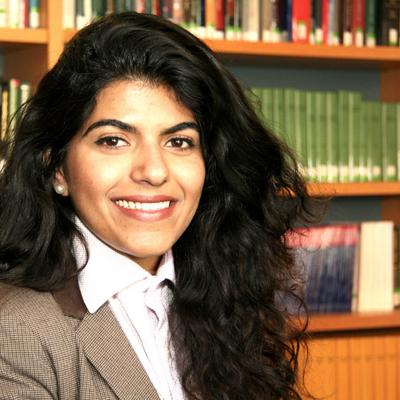
Noora Lori, Assistant Professor of International Relations, Pardee School of Global Studies, Boston University
I am a comparative political scientist who studies citizenship, migration, and racial politics in the Middle East and in comparative perspective, drawing upon sociology and law. My research focuses on how states strategically manipulate time to police the residency and citizenship rights that shape who belongs and who does not. By pegging rights to specific legal statuses, and counting the time of different statuses differently, states suspend, slow down, or speed up chronological time to exclude, delay, or hasten the inclusion of non-citizen residents in a targeted manner. My first book, Offshore Citizens: Permanent “Temporary” Status in the Gulf, shows how states develop temporary legal statuses to delay or suspend the time of “undesirable” migrants, typically labor migrants or those seeking humanitarian protection. My second book, Mobility Diplomacy: The Politics and Markets of Passport Power in the Global South,examines the mirror reverse phenomenon – how states utilize investor citizenship schemes to speed up time for “desirable” (wealthy) migrants, while providing an aspirational pathway for vulnerable migrants to follow.
Participants
Karen Barad, Professor of Feminist Studies, Philosophy, and History of Consciousness, University of California at Santa Cruz
Barad’s Ph.D. is in theoretical particle physics and quantum field theory. Barad held a tenured appointment in a physics department before moving into more interdisciplinary spaces. Barad is the author of Meeting the Universe Halfway: Quantum Physics and the Entanglement of Matter and Meaning (Duke University Press, 2007) and numerous articles in the fields of physics, philosophy, science studies, poststructuralist theory, and feminist theory.
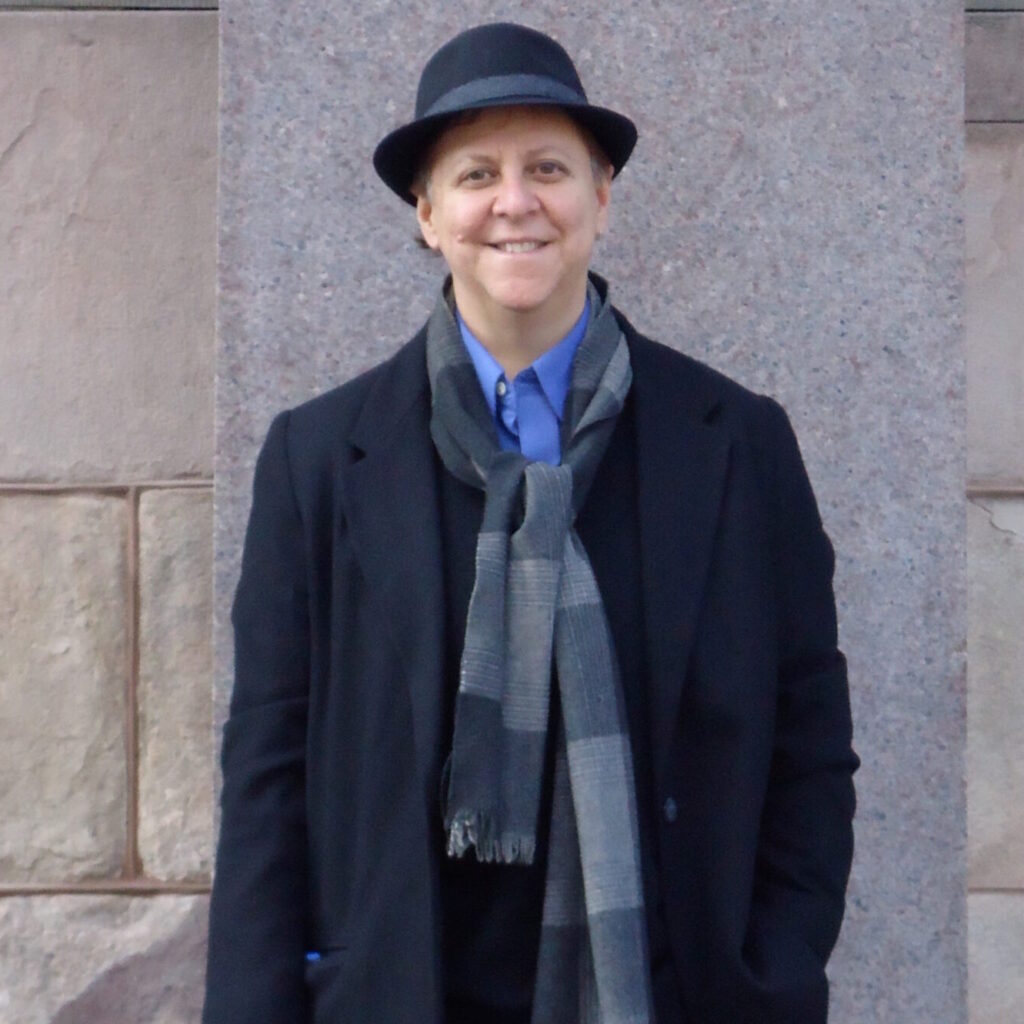
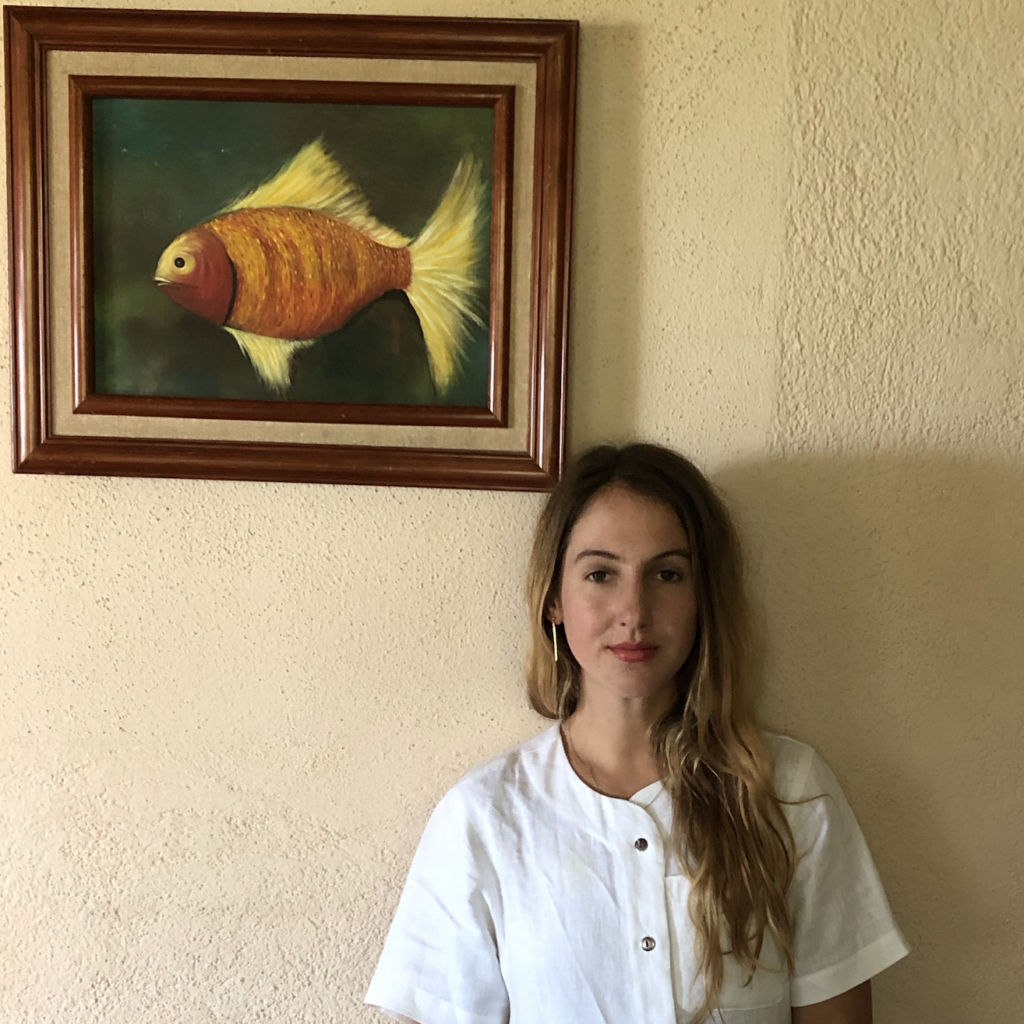
Brittany Birberick, Postdoctoral Research Fellow, at ACMS, University of Witwatersrand
My work is positioned at the intersection of anthropology, the study of racial capitalism, histories of urban planning, and visual studies. Focusing on the afterlives of socioeconomic institutions, and urban planning regimes more broadly, I trace how the remains of social, economic, political, and built infrastructures intersect with visions of the future to produce an uneven valuing of forms of knowledge, memory, and life in contemporary South Africa.
Justin T. Clark, Assistant Professor of History, Nanyang Technological University, Singapore
My current book project, The Clockwork Republic (under contract with the University of North Carolina Press) examines the redefinition of legal time that followed the American Revolution. Across a surprisingly broad social spectrum, Americans recognized that their rights and obligations rested on a foundation of calendar (and sometimes clock) time. Such consciousness manifested in the Founders’ protracted debates over the temporal provisions of the Constitution. It equally belonged to the slaves who sought their freedom under gradual emancipation laws or time-based residency tests in free states. It was evident among the republic’s new penitentiary inmates, who published tracts decrying the excessive length of their sentences. Legal time was crucial to mid-Atlantic tenant farmers revolting against their perpetual leaseholds, to radical politicians seeking to abolish posthumous inheritance, and to working-class Millerites forsaking contracts and debts on the eve of a final Great Sabbath. This project examines these struggles and more.
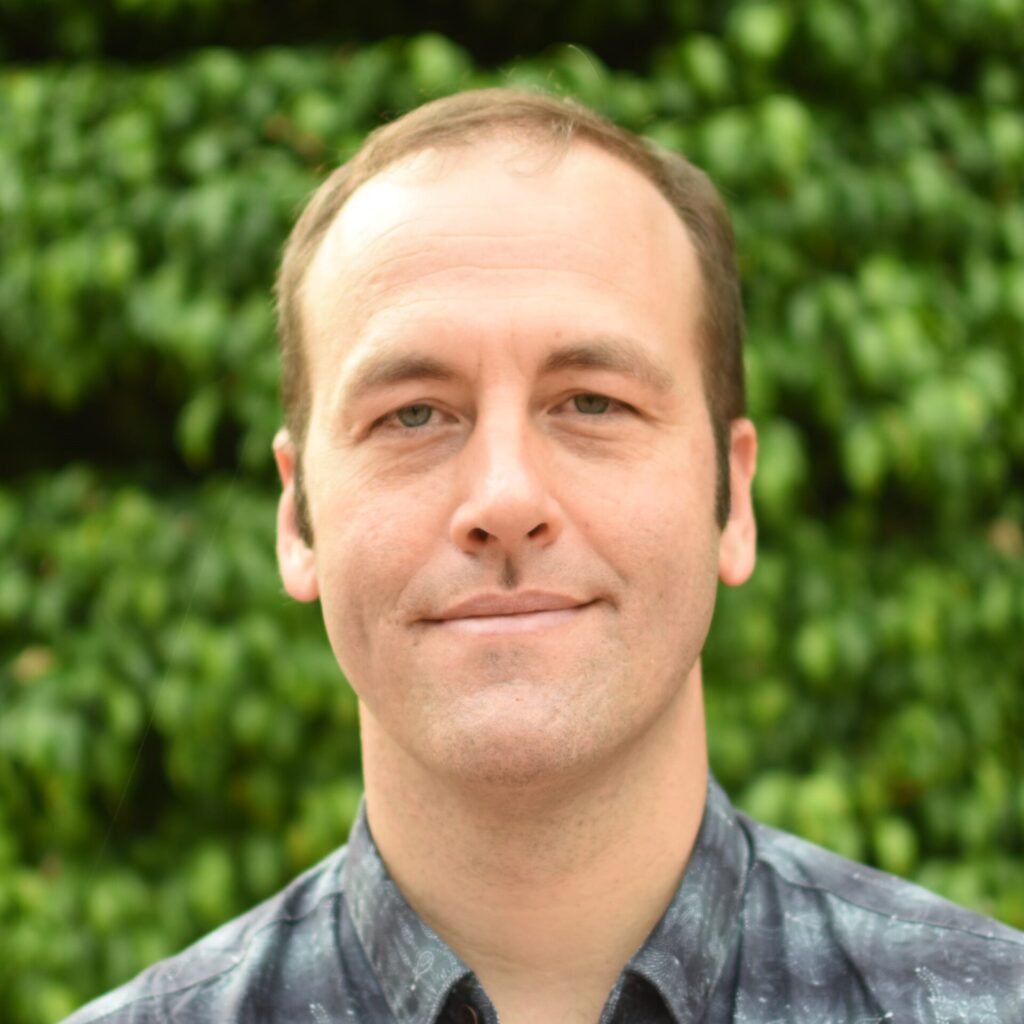
Anja Franck, Senior Lecturer, University Gothenberg
Franck’s main research interests relate to international migration and borders. She is particularly interested in how migrants and refugees navigate border regimes – and how the strategies that they adopt in turn impact states’ ability to govern migration. She has, for example, studied how a precarious legal status impacts how we understand and maneuver the urban borderscape, how (petty) corruption is used as a means to navigate internal border controls and humor can function as a means to cope with as well as refuse subordination. Most of her work in this area has centered on Southeast Asia (mainly Malaysia, Myanmar and Thailand), but she has also conducted work in the European contex (mainly Greece and Sweden).
Giovanna Gini
Giovanna Gini is a PhD candidate working on mobilities in the Anthropocene with a focus on South America. She holds a BA in Political Science from the University of Trento, Italy; where also in 2018 she completed her MA in European and International Studies with a thesis of the title: ‘Migration as an Adaptation Strategy: A case study of Tanzania’. Since 2018 she is part of the Mobile People PhD programme, a collaboration between Queen Mary University of London and Leverhulme Trust Doctoral – QMUL-LTDS. She also collaborates with the South American Network for Environmental Migrations (RESAMA).
Andrew Hom, Senior Lecturer in International Relations, University of Edinburgh
Andrew Hom is a Senior Lecturer in International Relations at the University of Edinburgh and an Associate Editor of the journal, International Relations. His research interests include timing and time, security, and international relations theory. His award-winning book, International Relations and the Problem of Time, was published in 2020 by Oxford University Press. He is the co-editor of Moral Victories: The Ethics of Winning Wars (OUP), Time, Temporality, and Global Politics (open-access, e-IR), special issues on ‘Up to our necks: Existentialism and International Studies’ (Review of International Studies, forthcoming),‘Wartime in the 21st Century’ (International Relations, 2022), and ‘The Social Life of Time’ (Time & Society, 2020). His previous research analyzes the relationship between time and war, security, policymaking and Brexit, critique, social theory, international ethics, environmental justice, and military operations, among others. His current research projects focus on two topics: 1) how ideas about victory in war have driven the transition to permanent wartime in the 21st century, resulting in extensive democratic backsliding and restricted mobility; and 2) the existential lineage of contemporary right-wing extremism. Andrew was a postdoctoral fellow at the University of Glasgow, an adjunct lecturer at St Andrews University and Vanderbilt University. He earned a PhD from Aberystwyth University and sundry degrees from the University of Kansas.
Jaeeun Kim, Associate Professor of Sociology, University of Michigan
Kim became interested in the question of temporality and migration through her current book project on the asylum-seeking of unauthorized migrants on religious grounds. She is particularly interested in the critical role played by a variety of non-state intermediaries in mediating migrants’ encounter with immigration law, including its temporal dimension. Drawing on long-term, multisited ethnographic research in the U.S., northeast China, and South Korea, she explores the following questions. How do various for-profit and non-profit intermediaries, especially, commercial migration brokers and coethnic evangelical church, complicate the temporal ordering of the asylum process, structured by relevant state regulations? How do these intermediaries envision the modal trajectory of a “redeemable” migrant dissonantly? How does the cacophony between these mutually competing temporalities pose a challenge to the “coordination of future” among various actors involved? How do these multilayered temporalities shape and transform the shifting aspirational horizon and ethnic and religious identifications of asylum-seekers?
Adrian Little, Professor of Political Theory, University of Melbourne
Adrian Little has wide research interests in the field of political and social theory with particular reference to concepts of conflict and democracy. He has also worked on comparative political theory methodology and different aspects of applied political theory in cases such as Indigenous-settler relations, migration and borders, and democratic futures. Little’s most recent books on these themes include Temporal Politics: Contested Pasts, Uncertain Futures (Edinburgh University Press 2022), Enduring Conflict (Bloomsbury 2014), The Politics of Radical Democracy (with Moya Lloyd, Ediburgh University Press 2009), and Democratic Piety: Complexity, Conflict and Violence (Edinburgh University Press 2008). As well as his academic activities, Adrian is the Pro Vice Chancellor International at the University of Melbourne. In 2020 he was elected as a Fellow of the Academy of Social Sciences in Australia.
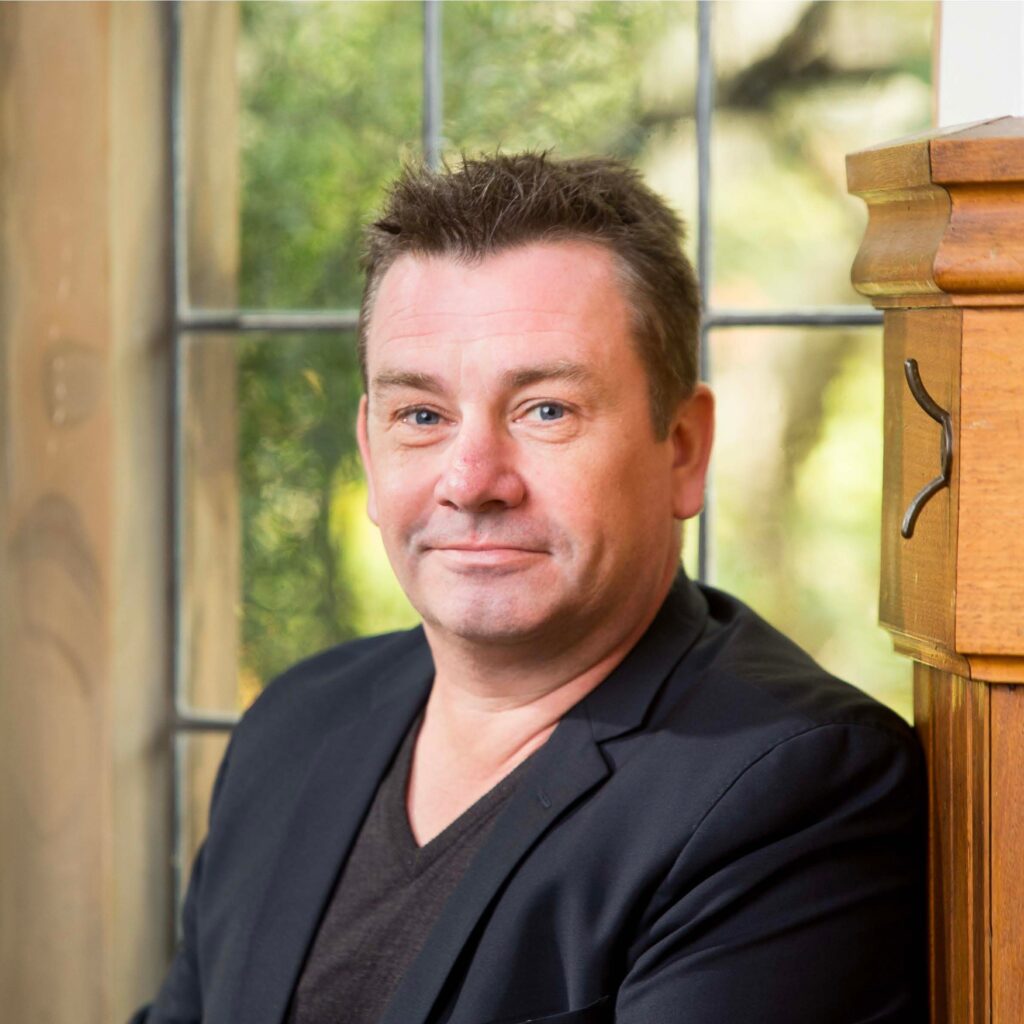
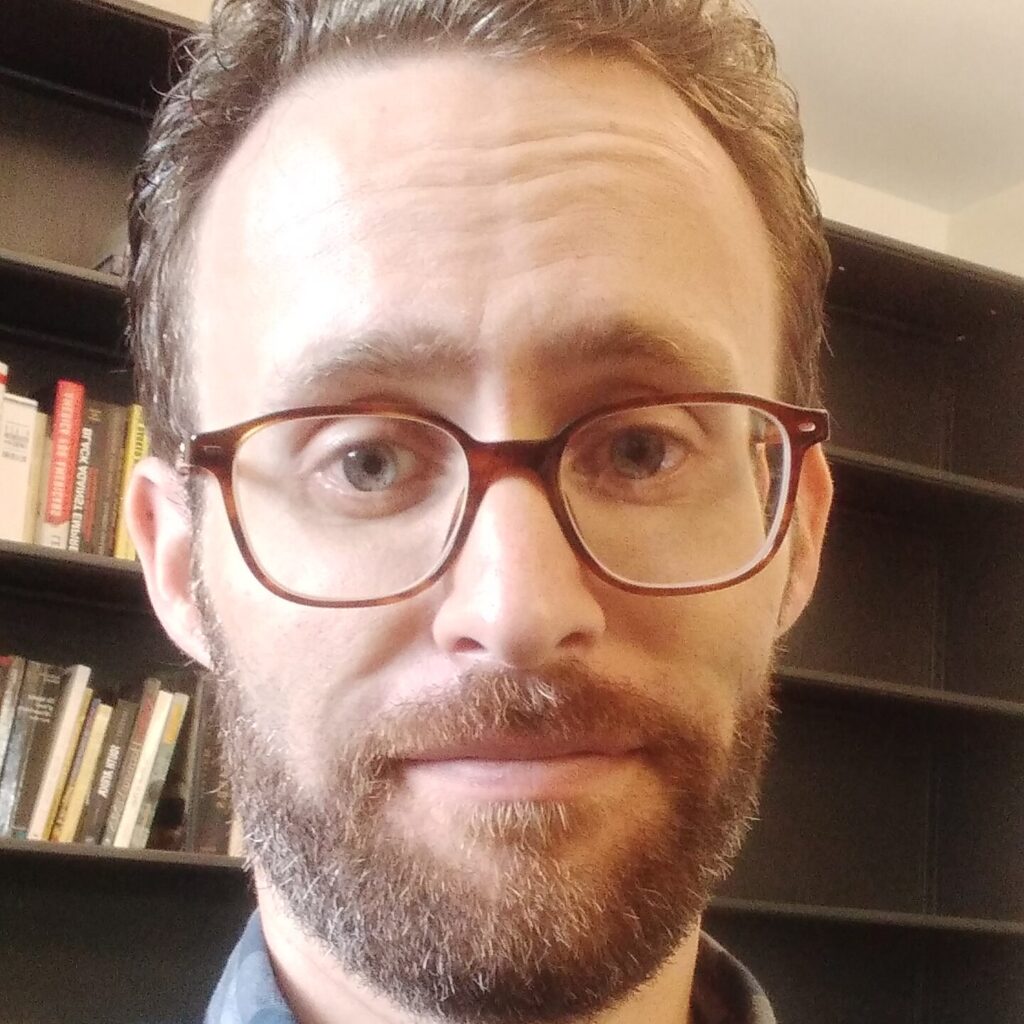
Paddy O’Halloran, Visiting Assistant Professor of History, Lafayette College and Postdoctoral Research Fellow, African Centre for Migration and Society, University of the Witwatersrand.
O’Halloran does historical research into ways that foreignness becomes political and around the question, “what is xenophobia?” His present focus is colonial and contemporary South Africa. History can offer an important, comparative perspective on the meanings and mobilizations of foreignness, which can speak to past and present contexts.
Senayon Olaoluwa, Senior Research Associate, Director of Institute of African Studies, University of Ibadan
Dr Senayon Olaoluwa is the Acting-Director of the Institute of African Studies (IAS), University of Ibadan. The Institute hosts the office of IFRA-Nigeria, and collaborate day to day with IFRA-Nigeria. Senayon’s research is part of an ongoing theoretical and multidisciplinary examination of the antithesis of nostalgia, which he has termed “extalgia”. The project is located within broader discourse of exile and migration and contends that there are forms of suffering and creativity peculiar to those left behind in the homeland. The research explores African and African diaspora literary and cultural texts that include literature, film and visual arts.
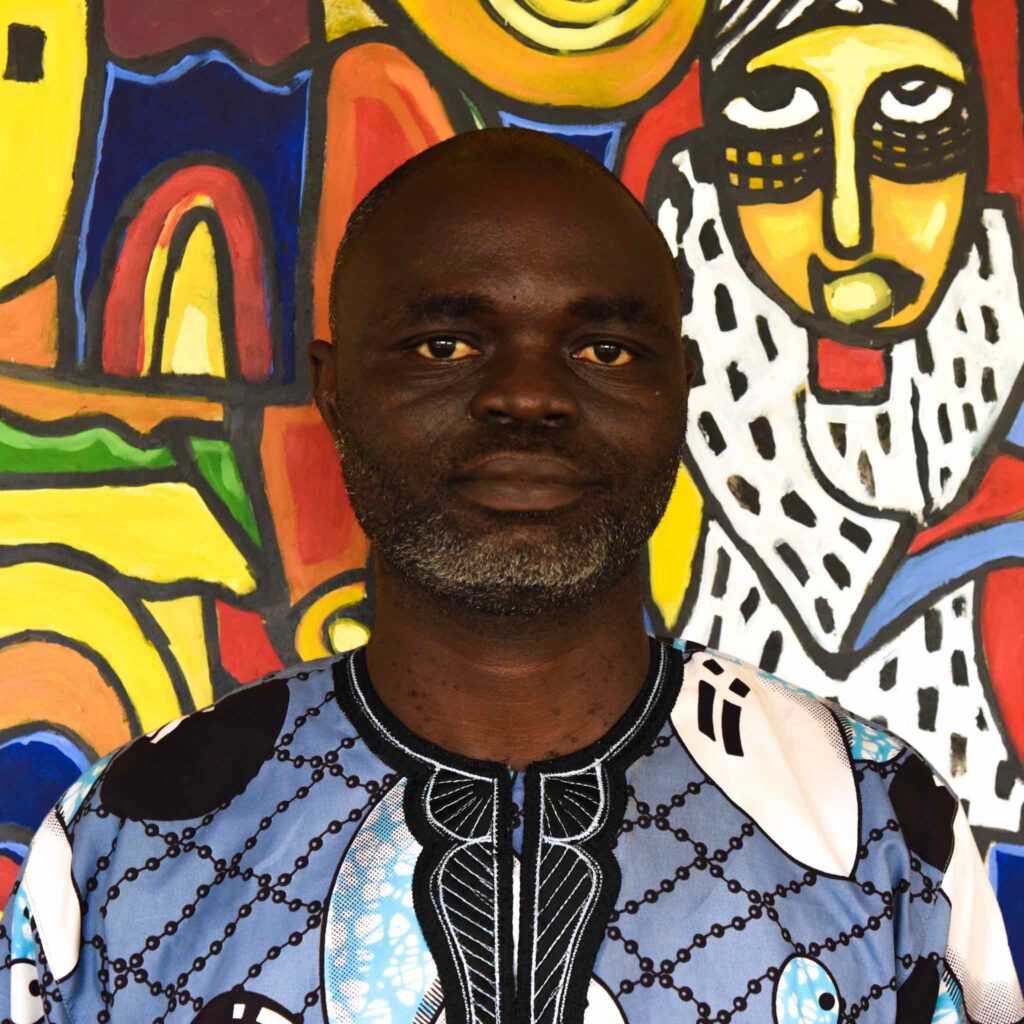
Simon Turner, University of Copenhagen
At an empirical level, Turner’s research focuses on the experience of displacement on the one hand, and on how these displaced people have interacted with states and other public authorities (NGOs, churches, etc) on the other. Thematically, He is concerned with the political anthropology of the state, governmentality, humanitarianism and sovereignty. Conceptually, his studies of the experience of displacement and confinement have led me to explore anthropologies of stuckness, anticipation, hope and anxiety, as well as issues of secrecy, conspiracy and invisibility. Geographically, he focuses on Burundi, Rwanda, Kenya and Tanzania.
Darshan Vigneswaran, Co-Director, Institute for Migration and Ethnic Studies, University of Amsterdam
Darshan Vigneswaran is the Co-Director of the Institute for Migration and Ethnic Studies and Associate Professor at the Department of Political Science, University of Amsterdam. He is a Senior Editorial Fellow at the journal Migration Politics and is also a Senior Researcher at the African Centre for Migration and Society, WITS University. His research lies at the intersection of International Relations and Political Geography. He aims to understand and explain deep changes in the structure of international politics and his work is primarily interested in how territory has been reconfigured in response to changing patterns of human mobility and settlement. He is currently part of two major collaborations funded by the Swedish Research Council on the Protection of Migrants from Violence in South-East Asia and the Externalization of European Migration Policy in Africa.


Margath (Maggie) Walker, Associate Professor in the Departments of Geography and Geosciences and Urban and Public Affairs at the University of Louisville.
Maggie is a critical human geographer whose work focuses on borders, belonging and securitization. Currently, she is researching how migrant caravan mobilities make certain forms of politics possible. A key theme of this on-going work is to think about walking as an ambivalently subversive political modality.